
Materials
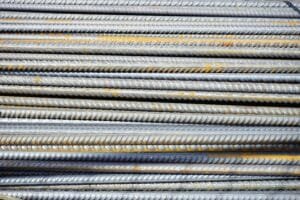
Steel
Steel reinforcing bar, is a crucial material in construction, used to strengthen and stabilise concrete structures. Made from carbon steel, rebar provides tensile strength to concrete, which inherently has high compressive strength but is more vulnerable to tensile stresses.
They are used extensively in foundations, beams, columns, slabs, and other structural components in buildings, bridges, highways, and dams.

Sand
Sand is a fundamental material in the construction industry. It comes in different types, such as river sand, crushed stone sand, and manufactured sand, each suitable for specific construction applications. It is primarily used as a key ingredient in concrete and mortar, providing volume and strength, as well as aiding in the bonding of other materials.
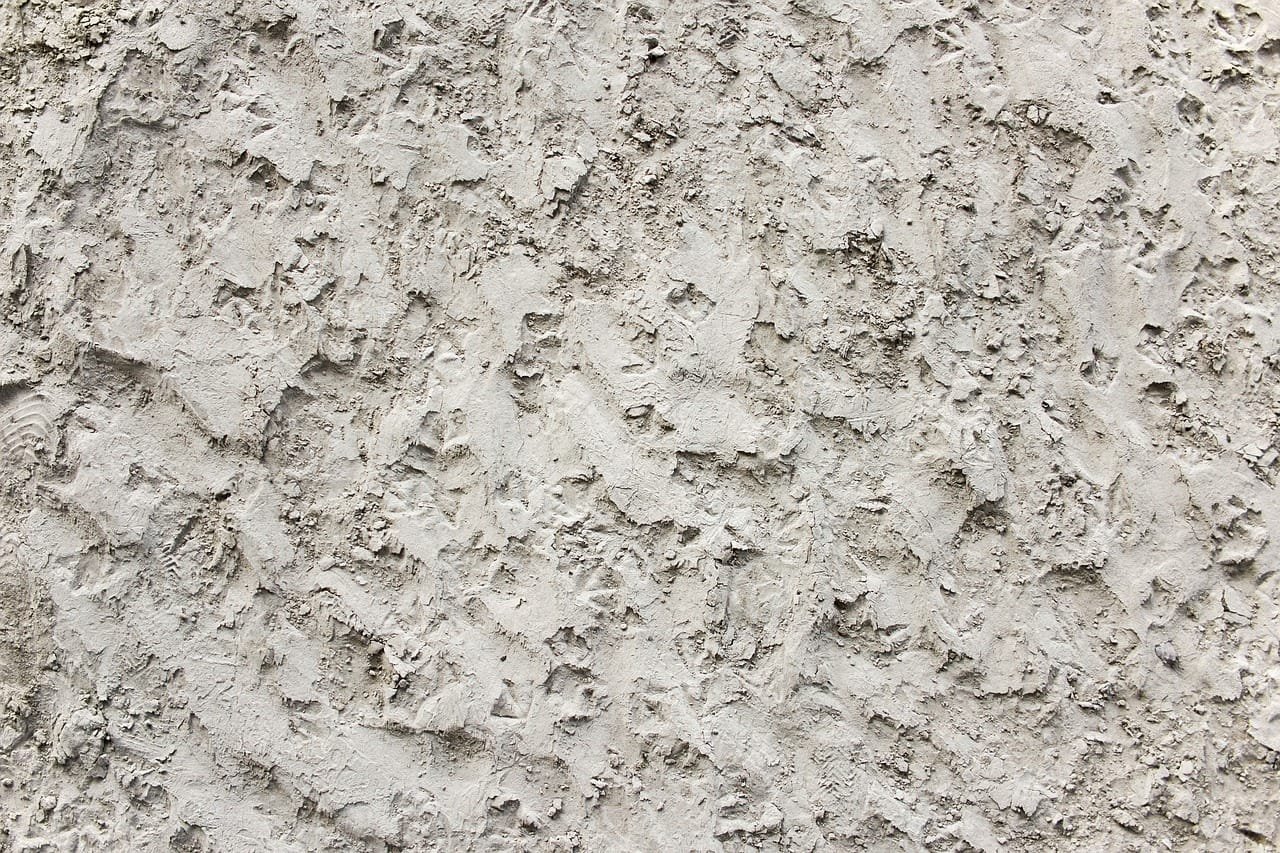
Cement
Cement is a vital binding material in the construction industry, known for its ability to set, harden, and bond materials together. It is a primary ingredient in concrete, where it binds sand, gravel, and other aggregates, and in mortar, which bonds bricks and stones. Its versatility and strong adhesive properties make cement essential for building projects of all sizes.
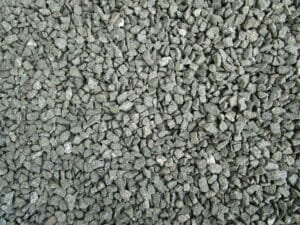
Coarse Aggregate
Coarse aggregate, made from natural stone or rock, is a core component of concrete in the construction industry. These aggregates typically range in size from 5 to 40 millimeters and are essential for adding bulk and strength to concrete mixes. By improving concrete’s load-bearing capacity and reducing shrinkage, coarse aggregate enhances the durability and stability of structures.
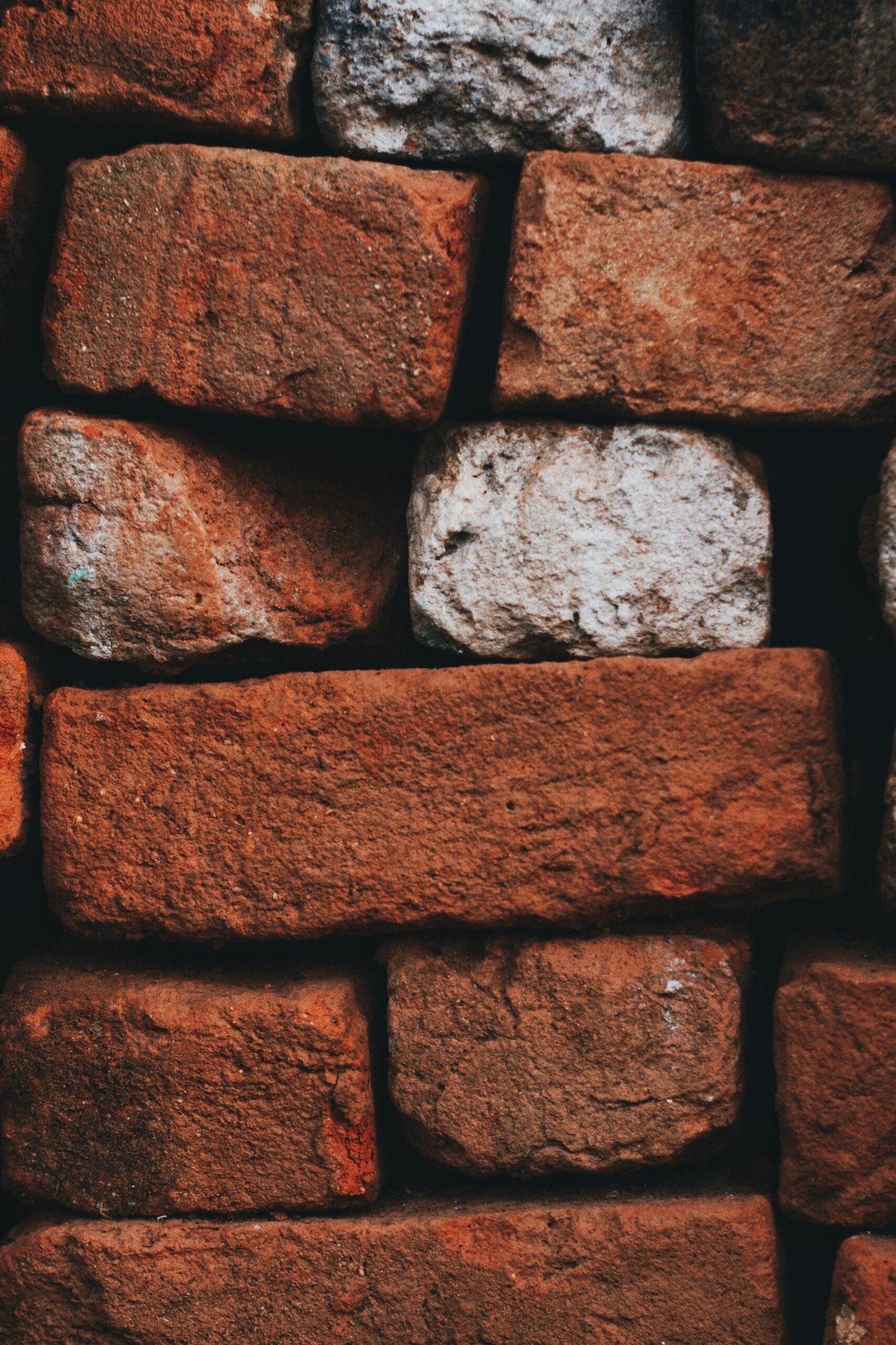
Bricks
Bricks are one of the oldest and most widely used building materials, valued for their strength, durability, and thermal insulation properties. Made from clay, shale, or fly ash, bricks are formed, dried, and fired in kilns to achieve a hard, solid structure. Bricks also contribute to energy efficiency by regulating temperature and adding fire resistance, making them a reliable choice for both residential and commercial projects.

Paints
Paint is a finishing material essential in the construction industry for both protective and aesthetic purposes. In addition to enhancing appearance, paint protects surfaces from moisture, UV damage, corrosion, and general wear, which helps extend the life of buildings and structures. Paints come in various types—such as water-based, oil-based, and epoxy paints—each suited to specific materials and environmental conditions.